Structured Equity Solutions

Unlock the
Value of Exit.

Equity Carry Group provides property owners and real estate professionals with structured exit strategies that maximize value through the Equity Carry Method. We engineer transitions for high-value assets using the Equity Carry Method.

The Framework

The Equity Carry
Method.

Unlike traditional listings that leave money on the table, our method structures acquisitions to maximize immediate liquidity while preserving long-term asset value.

Proprietary ECG Framework
Institutional-Grade Underwriting
Seller-Centric Structures
Defined Execution Timelines
Underwriting
Value Optimization85% Capture

"We optimize for the exit, ensuring every point of equity is accounted for in the final structure."

The Vision

About The
Equity Carry Group.

Founded by Steven Glaude and a team of creative finance experts, The Equity Carry Group is dedicated to empowering real estate professionals with the tools and strategies they need to close more deals.

Our mission is simple: help agents, brokers, and investors unlock opportunities they didn't think were possible. Through creative deal structures, proof of funds, and hands-on support, we turn challenging properties into profitable closings.

Home of the Equity Carry Academy

We're building the next generation of creative finance professionals through education, mentorship, and proven deal-making frameworks.

Proven Execution.

Our institutional process ensures a seamless transition from initial consultation to final close.

1

Initial Consultation

Review property goals and current asset performance.

2

ECG Underwriting

Applying the Equity Carry Method to determine the best structure.

3

Custom Proposal

Reviewing terms that align with your specific liquidity needs.

4

Professional Closing

Managed execution through our network of title and legal pros.

Featured Specialists

Direct access to our featured specialists.
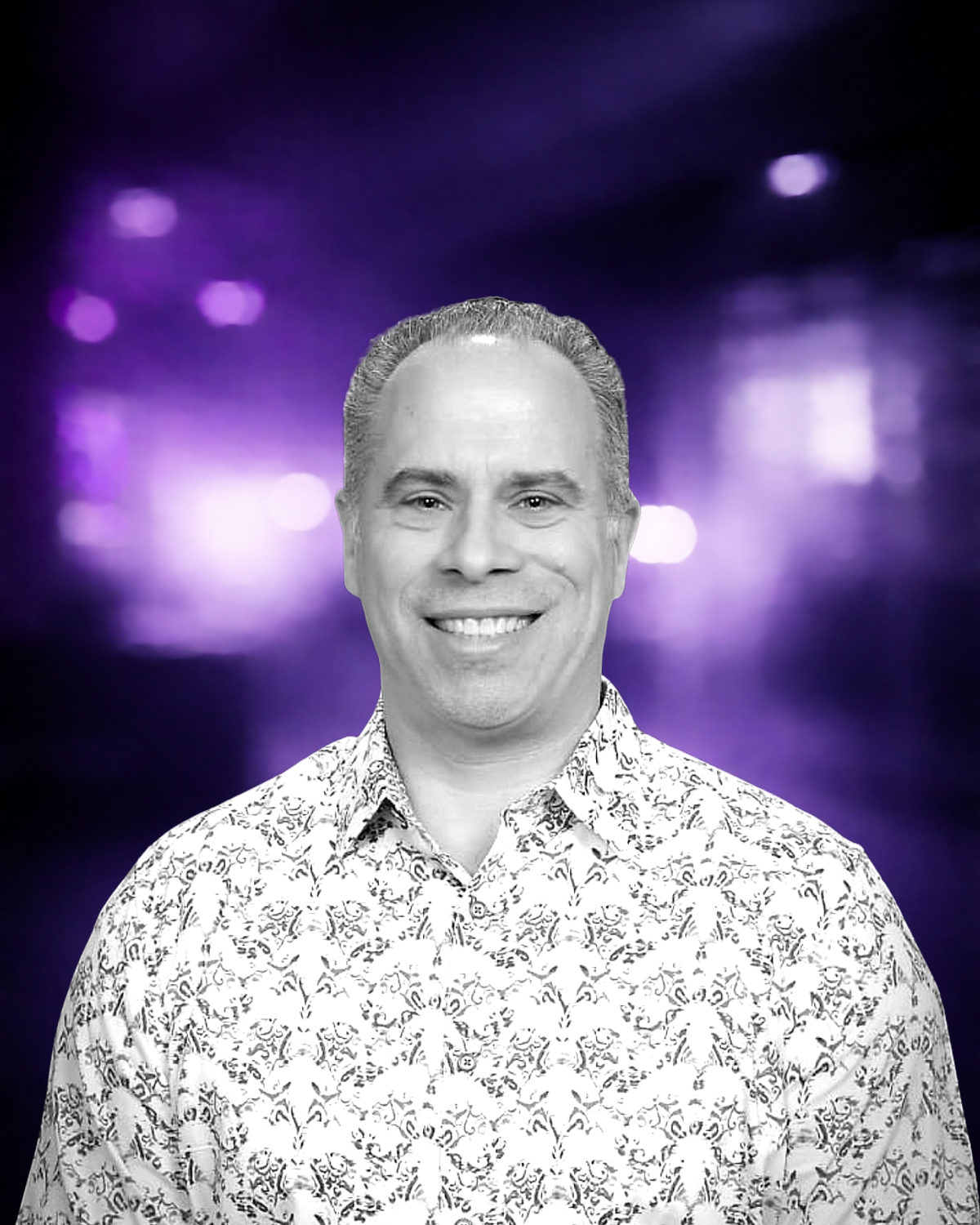
Steven Glaude
National

Steven Glaude

CEO

Pascal Echibe
MD

Pascal Echibe

Acquistion Manager

Yasin Hagos
California

Yasin Hagos

Acquistion Manager

Institutional Asset
West Coast

Jared Barker

Syndication specialist

Zachary Partington
Midwestern

Zachary Partington

Acquistion Manager

Josh Webb
Nationwide

Josh Webb

Creative Consultant

Jim Anderson
Nationwide

Jim Anderson

Acquistion Manager

Todd Babowicz
Nationwide

Todd Babowicz

Syndication specialist

Robert Mann
National

Robert Mann

Syndication specialist

Antoine Bethea
National

Antoine Bethea

Acquisition Manager

Korey Seeba
National

Korey Seeba

Syndication Specialist

Christopher Enriquez
National

Christopher Enriquez

Acquisition Manager

Gerry Suguitan
Nationwide

Gerry Suguitan

Syndication Specialist

Ray Solis
National

Ray Solis

Acquisition Manager

Jody Trevino
National

Jody Trevino

Acquisition Manager

Bunny Lona
National

Bunny Lona

Acquisition Manager

Institutional Asset
National

Robert LeBron

Syndication Specialist

Carla Rumsey
National

Carla Rumsey

Syndication Specialist

Josh Baldwin
National

Josh Baldwin

Syndication Specialist

Steve Jones
National

Steve Jones

Acquisition Manager

Keylann  Davidson
National

Keylann Davidson

Equity Carry Consultant

David Hutton
National

David Hutton

Acquisition Manager

Kareem Abdo
National

Kareem Abdo

Syndication Specialist

Rick Ingalls
National

Rick Ingalls

Acquisition Manager

Anthony George
National

Anthony George

Acquisition Manager

Sofia  Harrison
National

Sofia Harrison

Syndication Specialist

Jana Bresenden
National

Jana Bresenden

Acquisition Manager

Mark Rakowitz
Nationwide

Mark Rakowitz

Acquisitions Manager

Matthew Wergin
National

Matthew Wergin

Acquisition Manager

Jimmy Ayala
National

Jimmy Ayala

Syndication Specialist

Framework Q&A

Institutional insights on the Equity Carry Method.

Why is there no recorded second lien or deed of trust?
In this structure, you are not acting as a lender. There is no promissory note, no guaranteed repayment obligation, and no loan being created. Instead, you are receiving preferred equity ownership in the entity that acquires the property. Liens protect loans. Equity is protected through ownership rights, governance provisions, and priority economics — not foreclosure.
Why does title transfer before I receive all of my value?
Title transfer allows the property to operate normally, be insured properly, and qualify for institutional or DSCR financing. That said, control is not based on title alone. Your protections are built into the operating agreement and include consent rights, restricted actions, and default provisions that govern how the property can be operated, financed, or sold.
Why are there no payments during the initial period?
In some cases, the initial period allows time for stabilization, operational transition, and financing alignment. Making payments before the property is fully stabilized increases risk rather than reducing it. Your equity position is designed to benefit from value creation rather than early cash extraction. This is not deferred debt.
What happens if the buyer defaults?
This structure does not rely on litigation or court enforcement. Instead, default events trigger automatic governance changes, including shifts in control and economic priority as outlined in the operating agreement. These protections are contractual and do not require foreclosure proceedings.
Is “Stage 2” optional or dependent on buyer discretion?
No. All stages of the transaction are defined upfront, including timelines, conditions, and consequences. Nothing in the structure relies on informal promises or future renegotiation. What happens later is determined by what is agreed to now.
Who controls the LLC and day-to-day operations?
The buyer is responsible for day-to-day operations. However, capital decisions — such as additional debt, refinancing, or sale — are subject to defined restrictions and approval rights. Operational control does not mean unrestricted authority.
Why is the earnest money lower than in a traditional contract?
Earnest money is only one measure of commitment. This structure also requires lender underwriting, entity formation, third-party costs, operational onboarding, and reputational risk. Our commitment is demonstrated through execution, not just a deposit.
Are there tax benefits I should expect from this structure?
Tax treatment varies by individual circumstances. We do not provide tax advice or make assumptions about your personal tax situation. Your CPA should determine how this structure impacts you. Our role is to provide flexibility and options, not guarantees.
Why doesn’t this look like a traditional seller-financed deal?
Traditional seller financing creates debt. This structure removes seller debt entirely and replaces it with equity participation. Equity and debt are protected differently, and this structure is designed to align incentives rather than create repayment pressure.
This seems more complex than a standard sale — why?
Commercial real estate transactions often include preferred equity, capital waterfalls, governance provisions, and layered protections. The goal is not complexity for its own sake, but precision — so everyone understands their rights, protections, and outcomes in advance.
Does the Equity Carry Method remove the protection of a 2nd lien?
The Equity Carry Method does not remove protection — it changes the type of protection. Instead of being a lender waiting to be repaid, you become an equity partner with defined rights, protections, and participation in the upside of the asset.